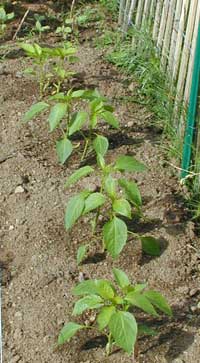
Mike P. planted the pepper seedlings on May 29, Memorial Day Weekend, three varieties:
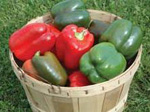
| Lady Bell, a sweet bell pepper from Busa Farm.
|
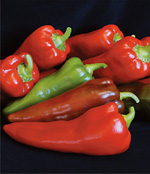
Carmen, a Mediterranean sweet pepper from Waltham Fields.
|
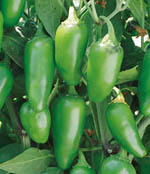
Jalapeno, a hot pepper, donated by a neighbor, Robin.
|
Mike planted the seedlings using a standard successful method:
-
- Scoop the soil out of the planting hole, a little bit bigger than the hole you need;
- Throw in a handful of compost and a bit of fertilizer;
- With some loose soil in the bottom to correct the depth, position two seedlings* so the soil lines match the surrounding ground level;
- Fill the hole halfway with soil;
- Fill the hole with water to soak the soil around the seedlings’ roots;
- Fill the hole the rest of the way with soil;
- Build a little dike around the stem to help catch water.
* We doubled up on pepper seedlings – two to a hole, an inch or two apart. Pepper plants are kind of “loose” and let a lot of sun through the leaves. Growing two side-by-side helps shade the fruit from sun scald, and practically doubles the yield in the space available.

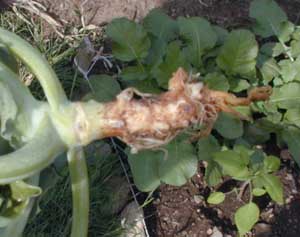 Two of the cauliflower seedlings have been looking pretty bad. I pulled them today and replaced them with two new red cabbage plants from
 the cabbage root fly. There’s not much you can do once you have root maggots, and our only hope is that the other brassicas are strong enough to grow in spite of possible infestation. We’ve already pulled a few cabbages with the same problem. So far, the brocolli doesn’t seem to have been effected.
 We had good germination rates from all of them.

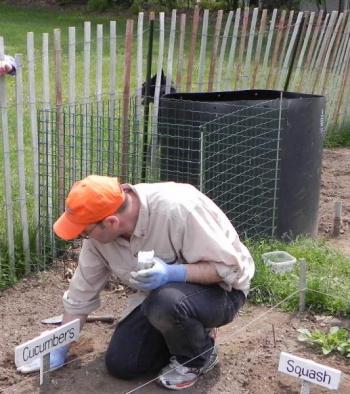 Saturday we planted cucumber seeds, 2 at a time, in 2-foot intervals along either side of the compost bins. We waited till now because cucumbers don’t like cool soil. They are not as finicky as tomatoes and eggplants, the prima donnas that go in next week, but they are real pansies compared, say, to radishes and peas.
