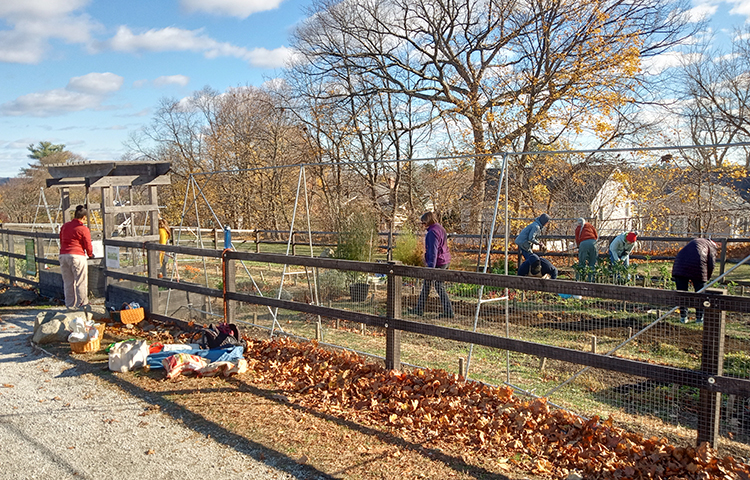
We rarely post in November. Perhaps that’s due to end-of-season blues. Yet, putting the garden to bed for winter is as interesting as the rest of the season.
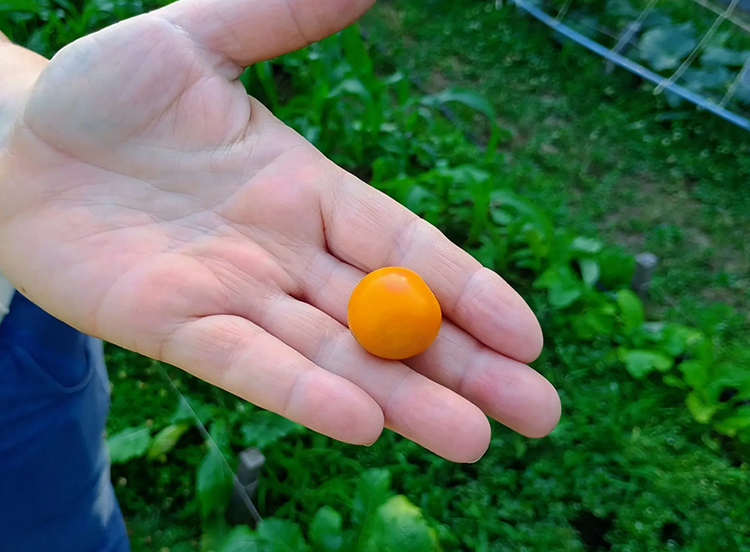
Robbins Farm Garden is in Zone 6B, and every year, the crops succumb to the cold in roughly the same sequence. Early frosts take out the basil, beans, eggplant, okra, squashes, tomatillos, and many flowers. Yet, our peppers and smaller tomatoes are surprisingly cold tolerant, producing well into November.
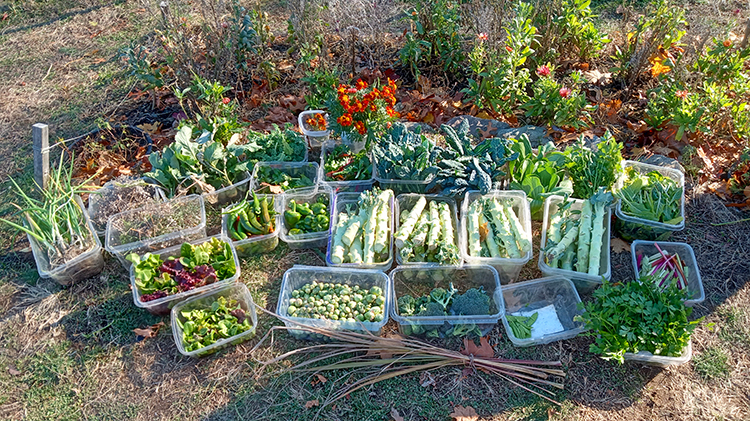
Our last harvest (on the Saturday before Thanksgiving) routinely includes the cold-hardy regulars: arugula, bok choy, broccoli, Brussels sprouts, cabbage, cauliflower, collards, Jerusalem artichokes, kale, kohlrabi, lettuce, parsnips, radishes, scallions, Swiss chard, and turnips.
Routinely, we leave the collards and kales in the ground (uncovered) for post-season harvests. If we end up with a substantial crop of immature lettuce plants, we place plastic row cover over them for harvests into December. And surprisingly, a few unpicked lettuce plants wintered over for an early spring harvest once.
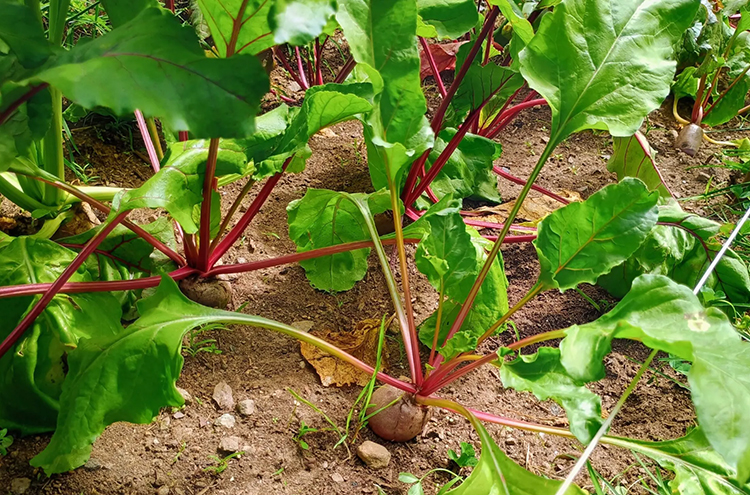
There are also crops we would still be harvesting, if we didn’t run out, such as beets, carrots, celery, leeks, and salad turnips. Fortunately, some herbs – parsley, sage and thyme – continue to be available. (Our rosemary is typically potted to winter indoors, though we may attempt to winter it over in the ground this year.)
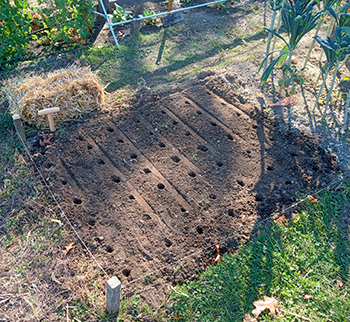
The annual garlic planting is a fun late-season project in early November. (Just when we thought there was nothing to look forward to.) And there is a great deal of material to be packed into the compost bins, along with putting aside buckets of screened compost for our seedlings next spring.
Finally, there’s mulching the perennial herbs and asparagus, and the cleaning, sorting, and repacking of our garden shed. And we’re done.